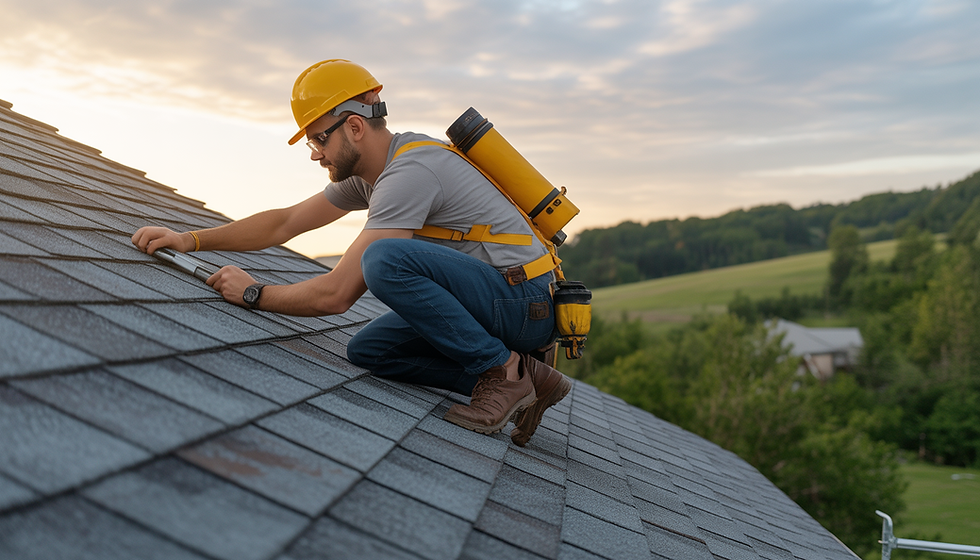
What Texas Storms Really Do to Your Roof and How to Catch the Damage Early
Updated: Jun 16
Texas storms are rarely subtle. One afternoon can bring pounding rain, strong winds, hail, and sudden temperature swings. While the chaos often passes quickly, the impact on your roof can linger for months or even years if it goes unnoticed. Many homeowners assume roof damage is always obvious, but that is not how it usually works. Small issues often hide in plain sight and quietly grow into expensive repairs.
For property owners across Texas, understanding how storms affect roofing systems and knowing what to look for afterward can make a major difference. Early awareness helps protect your home, your budget, and your peace of mind. At Resurrection Roofing, the goal is to help homeowners stay informed so problems are handled before they become emergencies.
Why Texas Storms Are Especially Hard on Roofs
Texas weather is unpredictable by nature. The state regularly experiences severe thunderstorms, hail events, high winds, flash flooding, and intense heat. Each of these elements stresses roofing materials in different ways.
Unlike regions with mild seasonal changes, Texas roofs often face multiple threats within a short period. A roof may endure extreme heat one week and violent storms the next. Over time, this cycle weakens materials and exposes small vulnerabilities.
Some of the main factors that make Texas storms so damaging include:
Large hailstones that can crack shingles or dent metal panels
High winds that lift, loosen, or remove roofing materials
Heavy rain that finds its way into tiny gaps
Rapid temperature changes that cause materials to expand and contract
Even well-installed roofs are not immune. The key difference is how quickly damage is identified and addressed.
Hail Damage Is Not Always Easy to Spot
Hailstorms are among the most destructive weather events for Texas roofs. In cities like San Antonio, hail can range from pea-sized pellets to stones large enough to cause serious structural damage.
Hail damage does not always result in missing shingles or visible holes. In many cases, the harm is more subtle.
What Hail Does to Roofing Materials
Asphalt shingles may lose protective granules, reducing their lifespan
Impact marks can weaken shingles and lead to future cracking
Metal roofs may develop dents that affect drainage and panel seams
Flashing around vents and chimneys can become bent or separated
Over time, these issues allow moisture to seep beneath the surface. This is why hail damage roof repair San Antonio homeowners trust often starts with a professional evaluation rather than a quick glance from the ground.
Wind Damage Can Be Quiet but Costly
Strong winds are another major concern during Texas storms. Gusts can exceed 60 miles per hour during severe weather, especially in open areas.
Wind damage often begins at the edges of the roof, where shingles and panels are most exposed. Once wind lifts a section, it creates an entry point for water.
Common Signs of Wind-Related Roof Issues
Shingles that appear lifted or curled
Exposed nails or fasteners
Loose flashing along roof edges
Debris buildup in valleys or gutters
These problems may not cause immediate leaks, but they significantly increase the risk during the next storm. Early repairs can prevent the need for emergency roof repair San Antonio residents want to avoid.
Heavy Rain Finds Every Weak Spot
Texas storms often bring intense rainfall in a short amount of time. When rain hits a roof already weakened by wind or hail, the results can escalate quickly.
Water does not need a large opening to cause damage. Small gaps around flashing, vents, or skylights are enough to allow moisture into the attic or wall cavities.
Why Water Damage Is So Hard to Detect
Leaks may start slowly and go unnoticed
Water can travel along beams before dripping into living spaces
Stains may appear weeks after the storm
Mold growth can begin in hidden areas
By the time water damage becomes visible indoors, the roof issue has often existed for quite a while.
Heat After the Storm Adds Another Layer of Stress
Once the storm clears, Texas heat returns quickly. High temperatures place additional stress on roofing materials that may already be compromised.
Heat causes materials to expand. When damaged shingles or panels expand unevenly, cracks can worsen. Sealants may fail, and adhesives can lose effectiveness.
This combination of storm impact followed by heat is a major reason roofs deteriorate faster in Texas compared to milder climates.
How to Catch Roof Damage Early
The most effective way to limit storm-related roof problems is early detection. You do not need to climb onto your roof to stay informed, but you do need to know what to watch for.
Simple Checks Homeowners Can Do Safely
Look for missing or uneven shingles from the ground
Check gutters for granules after hail or heavy rain
Inspect ceilings for new stains or discoloration
Pay attention to unexplained increases in energy bills
These signs often indicate hidden roof issues. Scheduling a professional roof inspection San Antonio TX homeowners rely on can provide clarity before damage worsens.
Why Professional Inspections Matter After Storms
A trained roofing professional knows where storm damage hides and how to document it properly. Inspections typically include checking shingles, flashing, vents, drainage systems, and attic spaces.
Professional inspections are especially important after:
Hailstorms, even if damage is not obvious
High wind events
Prolonged heavy rainfall
Any storm followed by interior leaks
For homeowners dealing with storm damage in San Antonio TX, inspections help determine whether repairs are needed now or if monitoring is sufficient.
Small Repairs Now or Big Problems Later
One of the most common mistakes homeowners make is delaying repairs because the roof still appears functional. Unfortunately, roofs rarely fail all at once. Damage builds gradually.
Minor issues such as loose shingles or damaged flashing are usually straightforward to fix. Left alone, those same issues can lead to structural rot, insulation damage, and interior repairs that cost far more.
Addressing problems early often means avoiding full replacements and extending the life of your roof.
How Storm Damage Affects Different Roof Types
Not all roofs respond to storms in the same way. Material choice plays a role in how damage appears and how quickly it spreads.
Asphalt Shingle Roofs
Most common in residential properties
Vulnerable to hail and wind
Granule loss reduces UV protection
Metal Roofs
Highly durable against wind
Can dent from large hail
Seams and fasteners require regular checks
Flat and Low-Slope Roofs
Common in commercial buildings
Prone to pooling water after storms
Membrane punctures can be hard to detect
Understanding your roof type helps you know what warning signs matter most.
When to Call a Roofing Professional
Not every storm requires immediate action, but some situations should never be ignored.
Contact a roofing professional if:
You notice active leaks
Shingles or panels are missing
Hail was large or widespread in your area
Your roof is over 10 years old and recently experienced severe weather
Timely evaluations help prevent temporary issues from becoming permanent damage.
Staying Ahead of the Next Storm
Texas storms are not going away. Preparation and awareness are the best defenses. Routine inspections, prompt repairs, and understanding how storms affect your roof can save you stress and money over time.
Resurrection Roofing works with homeowners who want clarity, not pressure. Whether you need peace of mind after a storm or guidance on next steps, staying proactive is always the smarter choice.
If you suspect storm-related issues or want a professional assessment, schedule a visit with Resurrection Roofing today. Learn more or request an inspection at https://www.resurrectionroofingtx.com/ and take the first step toward protecting your roof before the next Texas storm rolls in.