Roof Inspection: What to Expect During a Professional Visit
Updated: Mar 13

A strong roof protects your home, your family, and everything inside. But many homeowners don’t think about their roof until something goes wrong. The truth is simple: your roof needs regular care, and a professional roof inspection is one of the best ways to keep it safe and strong.
If you’ve ever searched “roof inspection” because you’re worried about leaks, storm damage, or old shingles, you’re not alone. Many Texas homeowners don’t know what actually happens during an inspection—and that can make the process feel stressful or confusing.
At Resurrection Roofing, we believe homeowners should always know what to expect. A roof inspection should never feel mysterious. You should feel informed, confident, and in control.
This guide breaks down the entire inspection process in clear, simple steps. You’ll learn what our roofing experts look for, why each step matters, and how we help you make the best decisions for your home.
Let’s walk through the full process, start to finish.
Why Roof Inspections Matter
Before we explain the steps, it helps to understand why roof inspections are so important for Texas homes.
Texas weather can be tough on roofs. High heat, heavy winds, hailstorms, and sudden rain can cause hidden damage you may not notice right away. Even small problems can grow into major issues if they’re not caught early.
Here’s what a roof inspection can help prevent:
Leaks that damage your ceiling and walls
Mold or mildew inside your home
Rotting wood under your shingles
High energy bills from poor ventilation
Sudden roof failure during storms
Needing a full roof replacement sooner than expected
A simple inspection can save you thousands of dollars and months of stress. That’s why many roofing companies recommend having your roof checked at least once a year—and always after a major storm.
Step 1: Scheduling Your Roof Inspection
When you contact Resurrection Roofing, the first step is simple: schedule a time that works for you. Our team arrives on time and ready to work, so you don’t have to wait around or clear your entire day.
Before we arrive, we usually ask a few questions:
Have you seen any leaks?
Did you notice missing shingles?
When was the last storm?
How old is your roof?
These questions help us understand your concerns before the inspection even begins.
We also take the time to explain the process so you know exactly what to expect. Our goal is to make you feel comfortable, prepared, and confident.
Step 2: The Exterior Walk-Around
The inspection begins outside your home.
Our team walks around the entire property to look for signs of damage you can see from the ground. This gives us a first look at the overall condition of your roof.
During this walk-around, we look for:
Missing or loose shingles
Shingles that are curling or cracking
Dark patches where granules have worn off
Soft spots or sagging sections
Rusted or damaged flashing
Debris buildup in valleys
Holes caused by hail
We also check the areas around the roof, including:
Gutters and downspouts
Fascia boards
Chimneys
Skylights
Roof vents
Why is this important?
Because roof problems don’t always start from the top. Water damage, poor drainage, or loose flashing can begin at the edges and work their way inward.
This first step gives us valuable information before we climb onto your roof.
Step 3: Getting on the Roof
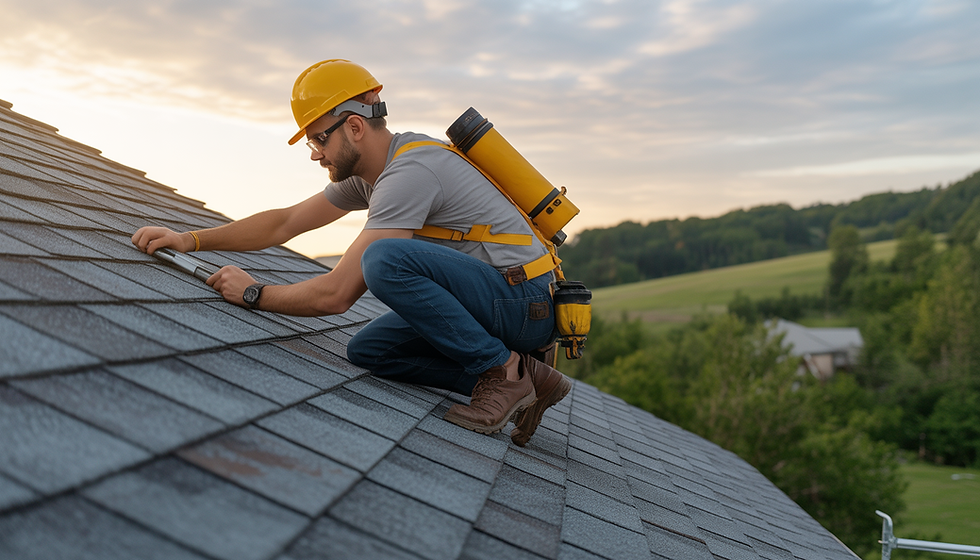
Once we’ve inspected from the ground, we carefully climb onto your roof to do a closer check. This is one of the most important parts of the inspection, and it’s something no homeowner should try to do alone.
When we’re on the roof, we look at:
1. Shingles
We check:
Are shingles cracked or curling?
Are they loose or missing?
Has hail knocked off granules?
Granules help protect shingles from heat, UV rays, and water. When they fall off, the roof ages faster.
2. Flashing
Flashing seals areas where water can sneak in, such as:
Chimneys
Skylights
Roof edges
Vents
Valleys
If flashing is cracked, rusted, or split, leaks can form quickly.
3. Soft Spots
Soft spots mean the wood under the roof may be weak or rotting. We check for these carefully.
4. Sealant
We inspect sealants around roof edges or vents. If it has dried out or cracked, it needs repair.
5. Overall Structure
We confirm that:
The roof is even
There is no sagging
Water is draining correctly
A good roof moves water away quickly. If water sits in flat spots, it can cause leaks.
Step 4: Checking the Gutters
Many homeowners think gutters are separate from the roof, but they work together. If your gutters are clogged or damaged, they may cause water to back up onto your roof—leading to leaks or wood rot.
During the inspection, we look for:
Signs of shingle granules
Rust, cracks, or dents
Loose or hanging sections
Blockages from leaves or debris
Granules in the gutters are a sign your shingles are wearing down faster than they should.
Step 5: Inspecting the Attic
The attic is one of the most important steps in the roof inspection—and most homeowners are surprised by how much we can learn just by looking inside.
Inside the attic, we check for:
1. Moisture or Water Stains
These are clear signs of leaks, even if you can’t see them inside your home yet.
2. Mold or Mildew
Moisture can cause mold, which affects air quality and roof strength.
3. Daylight Coming In
If light shines through the roof boards, water can get in, too.
4. Insulation
Good insulation helps keep energy bills down. Poor insulation can cause ice dams, heat loss, or roof stress.
5. Ventilation
Roofs need to breathe. Poor ventilation traps hot air in your attic, working your AC harder and weakening your roof over time.
Attic checks are essential because problems often start from the inside out.
Step 6: Looking for Storm Damage
Texas homes face strong storms, especially hailstorms. Even small hailstones can damage shingles, flashing, vents, and gutters.
During this part of the inspection, we look for:
Round dents in shingles
Cracks or holes
Bruised shingles that feel soft
Damage to vents, pipes, or gutters
Missing granules
Even light hail can shorten your roof’s lifespan. That’s why this step is so important.
If we find storm damage, we help you understand whether filing an insurance claim makes sense.
Step 7: Photos and Documentation
One of the things that sets Resurrection Roofing apart is how we communicate with homeowners.
We take clear photos of every area we inspect—good and bad. You never have to guess or take our word for it.
Your photo report may include:
Damaged shingles
Cracked flashing
Signs of rot
Soft spots
Granule loss
Gutter problems
Attic concerns
We also include detailed notes so you know exactly what each photo means.
This makes your next steps simple and stress-free.
Step 8: Explaining the Results
After we finish the physical inspection, we sit down with you to go over everything we found. Our goal is to explain issues in a way that is easy to understand.
We cover:
What is good
What needs attention
What needs repair
What needs to be replaced
What can wait
What must be fixed soon
We never pressure you into making a fast decision. You deserve time to think, ask questions, and feel confident in your choice.
Step 9: Repair or Replacement Recommendations
Based on what we find, we give you clear recommendations. These may include:
Minor Repairs
Replacing a few shingles
Fixing cracked flashing
Sealing gaps
Cleaning or repairing gutters
Major Repairs
Fixing large leaks
Replacing damaged decking
Improving ventilation
Roof Replacement
If your roof is old or badly damaged, a replacement may be the smarter long-term choice.
We explain costs, timelines, materials, and what to expect so you know exactly what you’re paying for and why.
Step 10: Honest Pricing and No Hidden Fees
One reason homeowners trust Resurrection Roofing is our transparency. Our estimates show:
What needs to be fixed
Why it needs fixing
What materials we’ll use
How long it will take
The total cost
Warranty details
There are no surprise fees or add-ons.
Step 11: Scheduling Your Repairs
If you decide to move forward with the repairs or replacement, we schedule the work at a time that works for you. We keep you informed from the moment we begin until the final cleanup.
Our crew:
Arrives on time
Protects your yard
Works safely
Communicates clearly
Leaves your home clean
Your roof is one of the biggest investments you’ll ever make. You deserve a team that treats it with respect.
Step 12: Final Inspection After Repairs
After we make repairs or install a new roof, we do one more inspection to make sure everything is perfect.
We check:
Shingles
Flashing
Gutters
Vents
Sealant
Attic ventilation
Clean up and debris removal
Only when we’re fully satisfied do we call the job complete.
Why Choose Resurrection Roofing for Your Roof Inspection?
There are many roofing companies in Texas, but Resurrection Roofing stands out because we put homeowners first.
Here’s what makes us different:
1. Clear Communication
You always know what’s happening and why.
2. Honest Recommendations
We only suggest repairs or work you truly need.
3. Storm Damage Expertise
We understand Texas weather and how to spot storm-related issues.
4. Insurance Help
We guide you through claims to make the process easier.
5. High-Quality Work
Our team uses strong materials and skilled workmanship.
6. Photos and Proof
You see exactly what we see.
7. No Pressure
You’re in control of every decision.
Our goal is to protect your home—and earn your trust.
How Often Should You Get a Roof Inspection?
Most experts agree:
Once per year for a routine check
After every major storm
Before selling your home
When buying a home
If your roof is 15+ years old
The sooner you catch problems, the easier—and cheaper—they are to fix.
Final Thoughts
A roof inspection is one of the smartest things you can do to protect your home. It helps you spot problems early, avoid costly repairs, and extend the life of your roof.
If you’re looking for a roof inspection in San Antonio TX, Resurrection Roofing provides a clear, step-by-step process and honest guidance every step of the way. From shingles and flashing to attic checks, we make sure your roof is safe, strong, and ready for unpredictable Texas weather.
Whether your home has faced storms, leaks, aging shingles, or you’ve simply been searching for a reliable roof inspection in San Antonio TX, now is the perfect time to schedule a professional evaluation.
📞 Contact Resurrection Roofing today for a free, full roof inspection you can trust.